Serving our community since 2001
Community Veterinary Center
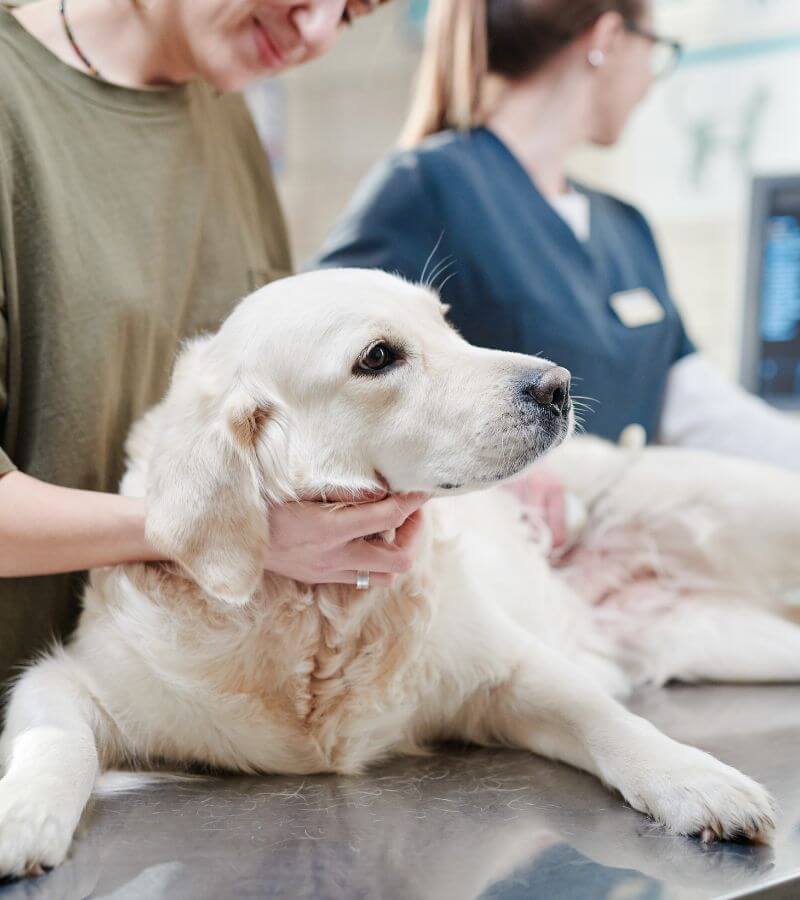
Our dedicated team is committed to delivering the highest-level of care to both you and your beloved pets.
See What We Offer
Our Veterinary Services
Who We Are
Learn More About CVC
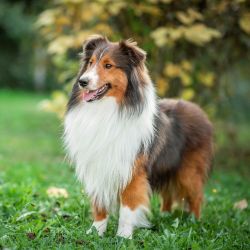
Canine Knee Surgery
Learn More

About Community Veterinary Center
Our mission is to provide exceptional and compassionate veterinary care. We are committed to the well-being of your pets. Our dedicated and professional veterinary team in Oneonta, New York, is here to ensure your companions’ health, happiness, and well-being.
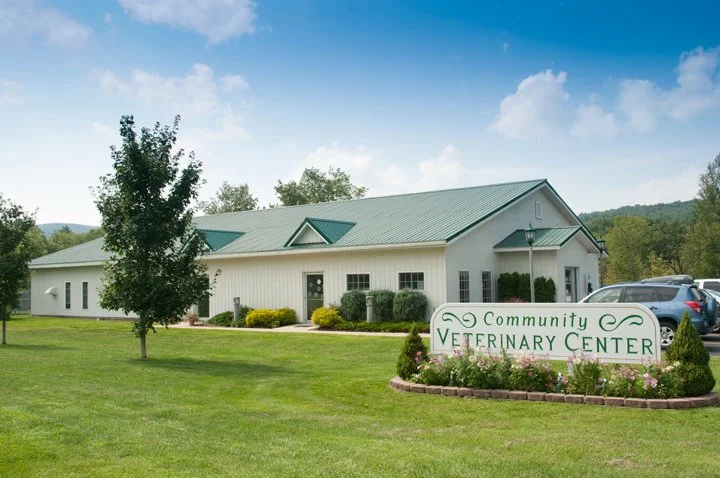
Complete Veterinary Care in Oneonta, NY
At Community Veterinary Center, we understand that your pet’s health is of the highest importance. That’s why we offer a wide range of veterinary services to cater to the unique needs of your beloved companions.
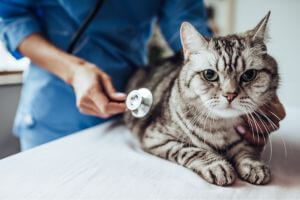



Meet Our Veterinary Team
At Community Veterinary Center, we are proud to have a passionate and highly-skilled veterinary team dedicated to the health and happiness of your pets. Our team is not just a group of professionals; we’re a family of pet lovers.
Our veterinary team takes the time to know your pets, to listen to your concerns, and to understand their unique personalities.